

TRANSFUSION THERAPY;IS WHOLE BLOOD BETTER THAN PACKED RED BLOOD CELLS?
October 3, 2024 | by ericwanniang.ehw@gmail.com

Introduction:
Blood is a liquid tissue. Hence transfusion of blood is equivalent to transplantation of this liquid tissue in the body of the recipient .RBCs in blood must survive and function after transfusion and they must have a therapeutic effect.
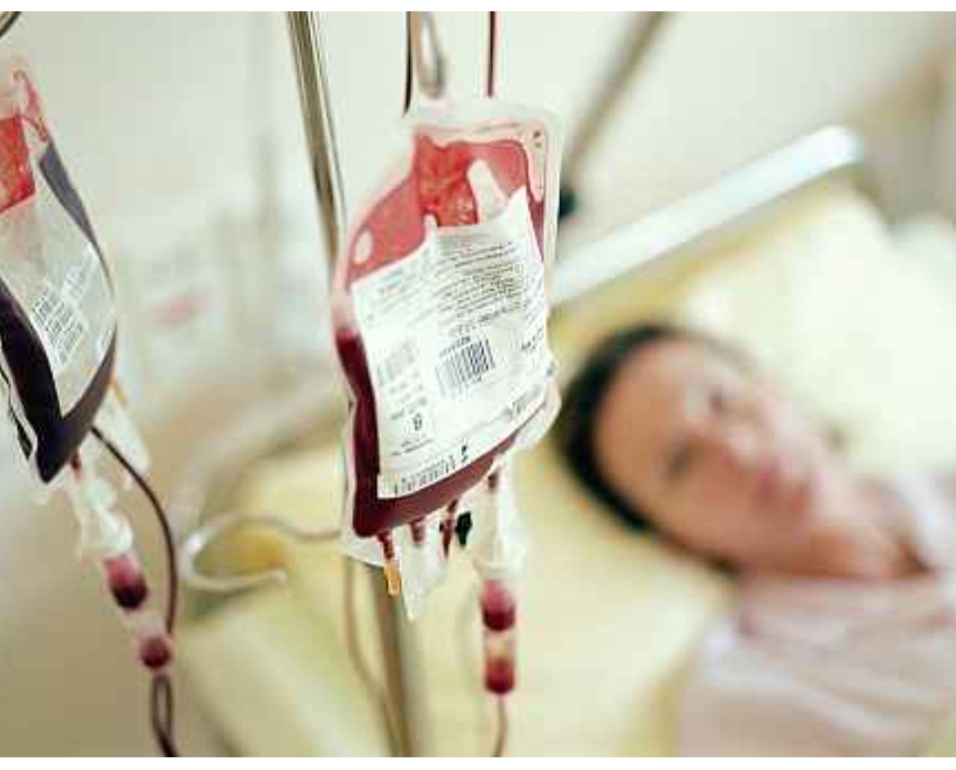
Rejection of transplantation (transfusion)
1. Rejection of transplantation (transfusion) occurs in the form of Hemolytic Transfusion Reaction
2. Rejection of platelet transfusion occurs in the form of Refractoriness to platelet transfusion.This is seen in multiple transfused patient.
INDICATION OF TRANSFUSION THERAPY
Inadequate Oxygen carrying capacity
Insufficient Coagulation proteins or Platelets
WHOLE BLOOD:
Whole blood is stored in a blood bag collected during Blood donation. Blood bag contains anticoagulant. The volume of anticoagulant is filled in the blood bag in such a way that the ratio of blood to anticoagulant is maintained at 14:100 or 1.4:10 at all times.
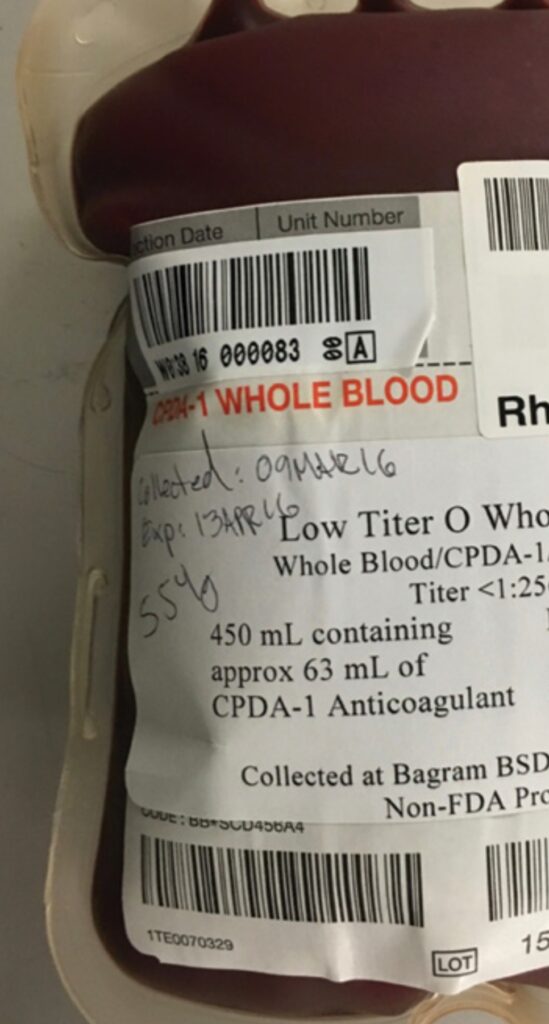
How does this anticoagulant works?
Citrate in anticoagulant chelates the ionised calcium in blood . This prevents the activation of Coagulation system.
Glucose, Adenine and phosphate are the other constituents of anticoagulant.These serves as substrate for RBC metabolism during storage in Blood banks.
Glucose and Mannitol however serves as RBC membrane stabilizer
In modern age and era can Whole Blood be transfused routinely?
The answer to this question is a big NO. We are living in 21st century where there should not be any blood bank in the world which is using whole blood rather than components.
However having said that , whole blood transfusion can be used only in a few clinical settings:
Indications of whole blood transfusion
Any clinical condition where there is rapid bleeding. In such conditions, both RBC mass as well as Plasma volume needs to be replaced, so the best thing that can be transfused is FRESH WHOLE BLOOD
CONTRAINDICATIONS OF WHOLE BLOOD TRANSFUSION
Whole blood should never be transfused in case of Severe anemia which is already compensated. What is the reason behind? These patients with Chronic anemia have reduced number of RBCs but these patients compensates this by increasing their plasma volume so as to restore the total blood volume. Therefore these patients do not need extra plasma in whole blood.All they need is Packed Red blood cells. If Whole Blood is given to them, they may develop Volume overload .
1 unit of whole blood increases Hemoglobin by 0.7 gm%. However, after transfusion of 1 unit of blood, the increase in Hemoglobin in patients will not be apparent before 72 hours because during this time the patient’s blood volume adjust to normal.
RBC TRANSFUSION:
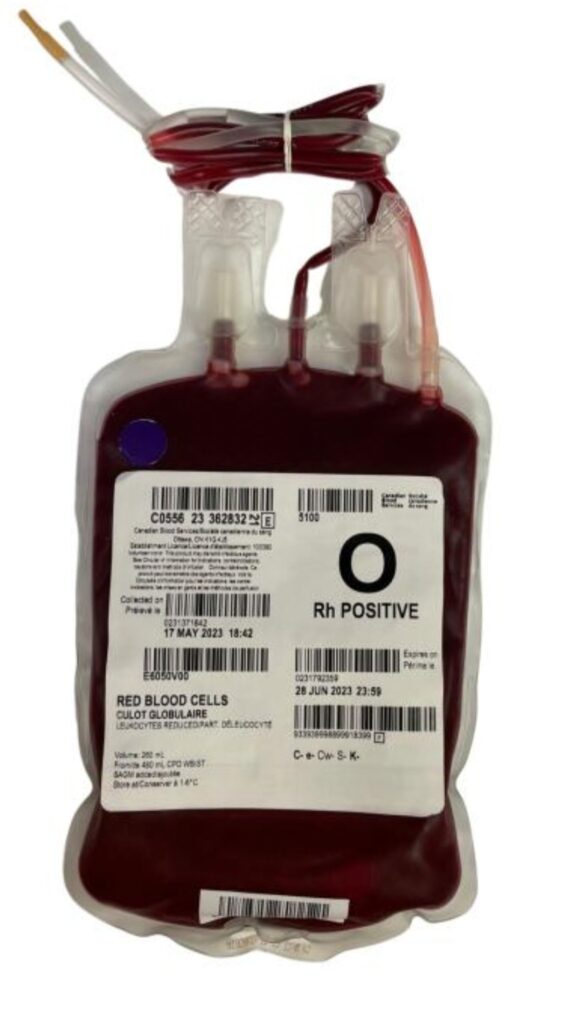
Indications for RBC transfusion
RBC transfusion is needed for increasing RBC mass in patients who need increase oxygen carrying capacity in conditions like:
1. Decrease Bone marrow production of RBCs (Leukemia, aplastic anemia)
2. Decrease RBC survival ( Hemolytic anemia)
3. Surgical and traumatic bleeding.
Trigger value for transfusion is kept at 7gm/dl of Hemoglobin . If Hemoglobin is lesser than this value, transfusion is indicated. Having said that, transfusion is indicated irrespective of the value, if there is active bleeding in trauma or child birth or during surgery.
Contraindications of RBC transfusion:
1. RBC transfusion should never be used in nutritional anemia. e.g Iron deficiency anemia, pernicious anemia unless the patient show signs of decompensation.
2. RBC transfusion should never be done to increase the general well being, promote wound healing, to expand blood volume or to prevent future anemia.
In adult patients 1 unit of PRBC( packed red blood cells) increases Hematocrit by 3% and Hemoglobin by 1gm/dl.
In pediatric patients, PRBC is given in a dose of 10-15 ml/ kg body weight. This will increase Hematocrit by 6-9 % and Hemoglobin by 2-3 gm/dl.
Transfusion of PRBC shows a faster and a much evident increase in Hemoglobin and Hematocrit than Whole Blood transfusion. This is because adjustment of blood volume is less in PRBC transfusion.
RELATED POSTS
View all


STANDARD OPERATING PROCEDURE (SOP): PREPARATION OF CuSO4 SOLUTION
September 9, 2025 | by ericwanniang.ehw@gmail.com
STANDARD OPERATING PROCEDURE (SOP): ANTIBODY SCREENING
September 10, 2025 | by ericwanniang.ehw@gmail.com
STANDARD OPERATING PROCEDURE (SOP) : SELECTION OF BLOOD BAGS
September 9, 2025 | by ericwanniang.ehw@gmail.com